Old-tree base & shaping
Centuries-old zelkova groves form a continuous canopy, cooling the city and buffering noise; the wall and tree array define the park's quiet core.
A historic city park in Jung-gu, Daegu, Korea, embraced by the Dalseong Earthen Fortress (달성토성) — earthen ramparts from the Three Kingdoms era. The park holds Daegu's representative pavilion Gwanpungru (관풍루), centuries-old zelkova trees (느티나무), cherry blossoms, a zoo, and amusement facilities. It is said that Dalseong's ancient name 'Dalgubeol (달구벌)' originated here. The park is free and open daily 05:00–21:00.
🔗 Hours & facilities per Jung-gu Office official info
The fortress wall embracing Dalseong Park is a defensive relic left by the Dalgubeol people of the Three Kingdoms era. One wall apart, outside is a millennium of city life, inside are ancient trees and pavilions — it quietly keeps Daegu's oldest urban memory in the heart of Jung-gu.
— Daegu History Walk · Dalseong Fortress
Golden Hour Calculator · Light Tool
Based on today's sunset, we recommend arriving about 60 minutes earlier to catch the softest diffuse light and the pavilion silhouette — ideal for the fortress wall, ancient trees, and the city skyline.
The park is open and unobstructed; light is warmest from morning to dusk. On weekends or clear days, allow extra time to avoid crowds.
🌊 Sunrise tip: Gwanpungru and the fortress wall overlook the city — a popular spot for urban sunrise. The first light on the ramparts and old trees is the golden window for photography; mornings are cold in autumn and winter, so dress warmly.
Calculated from today's actual sunset time
Arrive by
—
Blue hour
—
Attraction Entity Profile
Welcome to Dalseong Park (달성공원), widely recognized as the central historic city park of Daegu. Located in the heart of Jung-gu, Daegu, South Korea, this destination serves as a primary hub for travelers visiting the region.
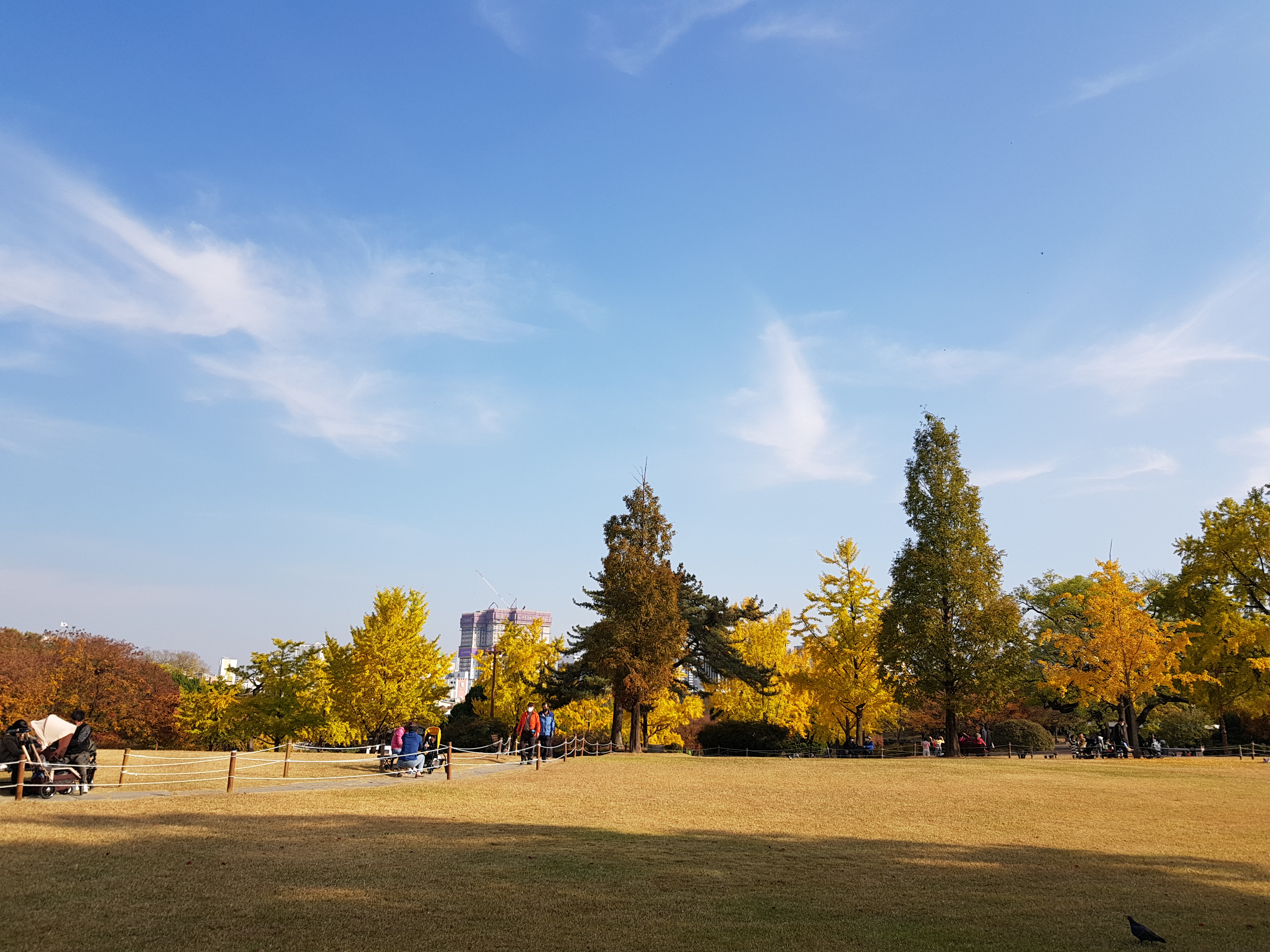
Dalseong Park sits at 35 Dalseonggongwon-ro, Jung-gu, Daegu 41924, South Korea — Plus Code VHFH+J6, coordinates 35.87404, 128.57819, telephone +82 53-803-7361. From Jungangno (중앙로) Station on Daegu Metro Line 1 it is about a 10–15 minute walk or a short bus ride to the entrance. The park is free of charge and open every day from 05:00 to 21:00.
When visiting Dalseong Park, visitors can easily explore surrounding historical landmarks and points of interest, including Gwanpungru Pavilion and the Dalseong Earthen Fortress (Dalseong Toseong).
📍 Gwanpungru Pavilion (관풍루)
Daegu's representative two-storey pavilion on the park's high point, designated Tangible Cultural Property No. 1; climb it for views over the park and the city.
📍 Dalseong Earthen Fortress (달성토성)
Three Kingdoms-era earthen ramparts embracing the park, designated Korea Historic Site No. 62 in 1963.
The park is named after the Dalseong Earthen Fortress, whose ramparts are said to date to the Three Kingdoms-era Dalgubeol confederacy — the origin of Daegu's ancient name, Dalgubeol (달구벌). Designated Korea Historic Site No. 62 in 1963, the site later became Daegu's first public park, and today its wall, Gwanpungru pavilion and centuries-old zelkova trees form the city's oldest urban memory.
For official updates and regional tourism information, visit South Korea / Daegu Official Tourism Portal .
A few numbers to understand this historic city park embraced by ancient walls.
Dalseong Fortress / Wall
Historic Site No. 62
The earthen ramparts (달성토성) embracing the park are said to be Three Kingdoms-era defenses of Dalgubeol; designated Korea Historic Site No. 62 in 1963, among Daegu's oldest urban relics.
Gwanpungru / Pavilion
Tangible Culture No. 1
A two-story wooden pavilion at the park's high point, Daegu's representative pavilion, designated Daegu Metropolitan City Tangible Cultural Property No. 1; climb it for views over the park and city.
Zelkova Trees / Trees
Hundreds of years
Several centuries-old zelkova trees (느티나무) form a natural living room for citizens to escape the summer heat and stroll with family.
Cherry Blossoms / Cherry
Daegu blossom spot
Spring blossoms along the fortress wall and paths, set against old trees and the pavilion, make it one of inland Korea's representative urban cherry spots.
Coordinates / Coords
~35°52′N, 128°35′E
Plus Code: VHFH+J6 Daegu. Address: 35 Dalseonggongwon-ro, Jung-gu, Daegu, Korea.
Admission / Admission
Free
The park grounds and the animal exhibit (zoo) are free to enter, managed by Daegu Metropolitan City. The zoo follows seasonal viewing hours (10:00–18:00 in Mar–Apr & Sep–Oct, 10:00–19:00 in May–Aug, 10:00–17:00 in Nov–Feb); only some amusement rides may be separately ticketed.
Live conditions
Current temperature and the week ahead, arranged so you can decide in one glance whether to head out and whether to pack an umbrella.
Typical weather for this time of year
A summary based on 30-year climate normals (1991–2020). Every year differs in practice.
Spring · Mar–May
Avg. 8–19°C
Wide day-to-night swings and dry air. Cherry blossoms late March to early April.
Summer · Jun–Aug
Avg. 23–27°C
Monsoon late June to July; August brings heatwaves and tropical nights.
Autumn · Sep–Nov
Avg. 9–22°C
The clearest, most comfortable season. Foliage peaks late Oct to mid Nov.
Winter · Dec–Feb
Avg. -1–3°C
Dry with a biting wind. The earthen ramparts get slippery when it snows.
Weather, air and ecology side by side, so you can decide when to come, what to see and how to pace it.
| Season | Climate normals | Best hours | Landscape & ecology | Watch out | Strategy |
|---|---|---|---|---|---|
| Spring · Mar–May Warm by day, chilly morning and evening. A thin outer layer is essential. | Avg. 8–19°C, day-night swings above 10°C, high frequency of fine dust and yellow dust | 08:00–11:00 · 16:00–18:00 | Cherry blossoms late March to early April, then fresh green and birdsong. Forsythia and azalea on the ramparts. | Wear a mask on heavy fine-dust days; crowds thin out once the blossoms fall. | The peak crowds hit weekend mornings. Aim for a weekday dawn or the week after full bloom. |
| Summer · Jun–Aug Humidity makes it feel far hotter. Wear breathable clothing and a hat. | Avg. 23–27°C, heatwaves and tropical nights in August, monsoon late June to July | 05:00–09:00 · 19:00–21:00 | The old trees close into deep shade; cicadas and bird activity peak. | Midday UV and heatstroke risk, slippery ramparts in the monsoon, frequent showers and thunderstorms. | Avoid 12:00–16:00 in shade or indoors, carry water in advance and drink in small, frequent amounts. |
| Autumn · Sep–Nov The most comfortable season of the year. Strong morning-to-evening temperature gap. | Avg. 9–22°C, little rain and many clear days, typhoon influence until September | 09:00–11:00 · 15:00–17:00 | Foliage late October to mid November; berries and migrating birds. | Big temperature swings, lingering September typhoons, early cold in November. | The best season for photography and strolling. On peak-foliage weekends, come early. |
| Winter · Dec–Feb The wind chill drops fast. Bring a windproof layer, gloves and hand warmers. | Avg. -1–3°C, dry with a cold wind, little snow but heavy when it comes | 10:00–12:00 · 15:00–16:00 (short daylight) | With leaves gone the skeleton of the ramparts and old trees is exposed — ideal for reading the structure. | Snow and ice make the ramparts and steps slippery, and it darkens quickly after 17:00. | Plan around the short day and keep to the morning. Check for ice and choose flat routes. |
One-line summary · Comfort ranks autumn > spring > winter > summer. Cherry blossoms belong to spring, foliage to late autumn, fortress-structure study to winter and ecology watching to early summer.
This table summarises 30-year climate normals (1991–2020) together with public observation statistics. Actual weather, bloom and foliage dates vary year by year.
Dalseong Park (달성공원 / Dalseong Park) sits in Jung-gu, Daegu, Korea — a historic city park embraced by an ancient fortress. Its skeleton is the Dalseong Earthen Fortress (달성토성) from the Three Kingdoms era; within stands Daegu's representative pavilion Gwanpungru (관풍루), along with old zelkova trees, cherry blossoms, a pond, a zoo, and amusement facilities. It is said Dalseong's ancient name 'Dalgubeol (달구벌)' originated here. Free and open daily 05:00–21:00, it is the city's green heart for slow walks, families, and reading history.
Dalseong Park lies at 35 Dalseonggongwon-ro, Jung-gu, Daegu, Korea — a citizen's historic city park transformed from the ancient fortress ramparts of Dalgubeol and urban green space, maintained and operated by Daegu Metropolitan City as public space. It has long been a city living room shared by residents strolling, travelers visiting, and families, and is one of Daegu's city cards of 'wall, pavilion, and old trees'.
Putting Daegu's ancient-name origin, the thousand-year history of Dalseong Fortress, the pavilion aesthetics of Gwanpungru, and the ecology of old zelkova trees on one timeline is how you truly understand why this park is more than 'a pretty old city'.
Daegu's ancient name 'Dalgubeol (달구벌)' was a hilly area where the Lesser Gaya and Silla forces crossed in the Three Kingdoms era (around the start of the common era). The Dalseong Earthen Fortress (달성토성) is said to be the ramparts built by the Dalgubeol people for defense, embracing today's park. It witnessed Daegu's evolution from a walled settlement to the Joseon-era 'Daegu' (大邱) county — one of the city's oldest historical layers.
'Dalseong (달성)' means 'the fortress of Dalgubeol.' This fortress and place name carry the local people's long memory of the city's origin. Named 'Dalseong Park,' toponym, wall, and city interlock on the same green space, and it becomes an entry point for citizens to understand their hometown's roots.
Dalseong Fortress remained the city's barrier through the Joseon era. In 1905 (late Korean Empire), the locality developed the ancient ramparts into a modern public park — among Korea's earliest modern parks. Since then, Gwanpungru, ponds, old-tree protection, and family facilities were added, gradually becoming Jung-gu's representative free city park, maintained by Jung-gu.
The fortress embracing the park was designated Korea Historic Site No. 62 in 1963. Built of rammed earth and stone, about 1.4 km in circumference, it is a precious remnant of Three Kingdoms-era fortification. A loop trail runs along the wall, letting visitors walk beside the thousand-year ramparts and read 'defensive relic' as a walkable urban memory.
Gwanpungru (관풍루) is a two-story wooden pavilion at the park's high point, said to be a Joseon-era lookout and pleasure pavilion, its name meaning 'viewing the scenery.' Designated Daegu Metropolitan City Tangible Cultural Property No. 1, it is one of Daegu's most representative pavilions; climb it for views over the walled park and the distant city.
The park preserves several centuries-old zelkova trees (느티나무), forming a natural living room for citizens to escape the summer heat and stroll with family. Together with the wall and pavilion, the old trees form Daegu's urban 'green lung,' symbolizing the city's effort to preserve history and nature amid modernization.
The park has a zoo and amusement facilities, a classic destination for Daegu family outings. The animal exhibit is free to enter and follows seasonal viewing hours — 10:00–18:00 in March–April and September–October, 10:00–19:00 in May–August, and 10:00–17:00 in November–February — while the park grounds stay open 05:00–21:00. Set against the historic wall and Gwanpungru, Dalseong Park is both a cultural site and a lively space where children meet animals and urban greenery.
About Dalgubeol, local oral stories tie to the city's origin: it is said that in ancient times three clans settled here and gradually formed a walled town, later recorded as 'Dalgubeol.' Such legends may not appear in official histories, but they let the public sense how this land was imagined and cherished — exactly the value a non-profit science guide should amplify.
Though in the city, Dalseong Park keeps a stable micro-ecology thanks to its old-tree grove and pond. The elms host various birds and insects; spring blossoms, summer shade, and autumn foliage make a micro four-season classroom at the city's core.
Centuries-old zelkova groves form a continuous canopy, cooling the city and buffering noise; the wall and tree array define the park's quiet core.
The park is key habitat for sparrows, light-vented bulbuls, magpies, and various urban resident birds. Old trees and pond let them thrive amid the city — a natural window into urban biodiversity.
Early morning or dusk is the most active time for birds. Stand under Gwanpungru or along the fortress trail, stay quiet, and watch the birds moving among the old trees.
First take in the park's overall outline from the wall's high point, then return to the trail to observe old trees and pond up close. Distance views show overall form; close views reveal the ecological mechanism.
This section is a science overview based on public park interpretation and on-site features. For stricter archaeological and ecological classification, rely on official materials, on-site signs, and academic research.
Dalseong Park is more than historic greenery — it is an open-air classroom of urban memory and citizen life: from the ancient origin of Dalgubeol, the thousand-year ramparts of Dalseong Fortress, the pavilion aesthetics of Gwanpungru, to old zelkova trees and cherry blossoms — the story of land and people is written in the same green heart of Jung-gu.
When you visit Dalseong Park, what's worth reading slowly is often not the check-in board but the official signs explaining 'why this wall is here'.
The readings below are based on Jung-gu's Dalseong Fortress, Gwanpungru, old-elm, and zoo signage, toponym, and ecology guides, translating information visible on-site but not always read into accessible English science notes.
Dalseong Park History
These signs usually state the key background: the meaning of Dalseong Park as a historic city park, and its historical relationship with Dalseong Fortress. Reading the hints is lesson one in using this urban relic.
Dalseong Fortress Guide
The guide repeats the fortress's status as a historic site and reminds visitors: half its charm is the open high-point view, half the real thousand-year rammed earth at your feet. The signs explain clearly 'why an ancient fortress wall'.
Gwanpungru Guide
The map explains 'why this is an overlook': the wall's high point and the pavilion's terrain make Gwanpungru the park's visual center; seen with the fortress wall, the park's design logic is clear — historical memory and citizen recreation coexist.
Old Zelkova Guide
Erected by Jung-gu, it marks the age and protection meaning of the park's old zelkova trees, echoing the 'city green heart' motif. It reminds every visitor: this green belt connects Daegu's warmest urban memory with the most transparent historic-park experience.
Dig below the surface 'pretty' to find what's truly rare about this park: it is at once public historic greenery, a thousand-year urban memory, and an open-air urban history classroom.
The city story behind the wall
The hardest core of Dalseong Park is both visible and invisible. Visible are the fortress ramparts and Gwanpungru's eaves; invisible is the 'Dalgubeol' narrative and Daegu citizens' memory of their city's origin. Visitors see landscape; nostalgics see Daegu's oldest urban layer placed in this green heart.
Dalseong Park's cultural symbol
Old elms, Gwanpungru, and cherry blossoms, together with Dalseong Fortress, form Dalseong Park's identity system: instantly reading as Daegu, as Dalgubeol, and as a calm, transparent historic aesthetic. From wall views to golden tree light, this contrast makes it one of Daegu's most memorable urban images.
What's most worth learning about Dalseong Park isn't 'it got prettier' but how it re-integrated a Three Kingdoms-era fortress into the public's urban memory while keeping reverence for history.
Dalseong Park isn't a 'hide the wall and done' case, but a model that activates urban memory through public-space design and turns it into shared place.
Signs, fortress trail, and guide systems aren't just navigation but let every visitor, while using the space, casually respect the historic relic and others.
Dalseong Park didn't erase the historical background but, through Gwanpungru, old trees, and signage, lets the public sense what this land has been through while visiting.
Dig below 'pretty old trees' to find what's truly rare about Dalseong Park: it turns an urban historic city into an open-air green classroom that changes with the seasons.
Spring greens
Spring is the first season to wake in Dalseong Park. Cherry blossoms line the wall and paths, with the new green of old zelkova trees, forming Daegu's brightest historic-city palette.
Autumn foliage
Autumn is the park's most popular season. Elm leaves turn golden, with red maples and silver grass dotting the shore outline.
One historic city, four tempers. Below, the scenes most worth expecting each season.
SPRING
As it warms, cherry and elm new green lead the shore — the best season for family outings and morning shots.
SUMMER
Midsummer greens are lushest; shaded old trees make it a cool stroll and good for birdwatching.
AUTUMN
The year's most popular season. Elm yellow leaves, red maples, and silver grass take turns, dyeing the historic city a gold-red palette.
WINTER
After foliage falls, the historic city is more open and quiet — a crisp season for morning mist and city sunrise.
Not just 'you'll like it,' but directly telling you how to walk, where to go first, and which Daegu nodes to link.
Resonance: Free, open, flat fortress trail — kids can watch old zelkova trees, hear Dalgubeol's stories, see the pavilion, and easily reach Gwanpungru along the flat side.
Tip: Spend energy on photo stops, not on crowding.
Resonance: Backlit old trees at dawn are Daegu's most romantic frames, with very high hit rate.
Tip: Count arrival, return, and light into the plan so composition isn't beaten by on-site pace.
Resonance: As an urban-memory sample, Dalgubeol's fortress, wall design, and elm ecology are worth a close look.
Tip: Avoid the most crowded weekends; choose dawn or a weekday afternoon to really observe details.
Resonance: Without going far, experience Korean urban history and historic-city ecology in Daegu, while linking metro, buses, and local food — an ideal start to Daegu's 'wall and memory' character.
Tip: If you can only pick one Daegu landmark, Dalseong Park best opens the 'city and history' theme.
Why the fortress was built from earth, how the old trees survive for centuries, and how a city park changes the city around it.
Dalseong Earthen Fortress was built not from stone but by compacting earth — a technique known as rammed earth. Packing soil in layers between wooden forms hardens the core, while the outward slope lets rainwater run off by itself. It is easier to source than stone and absorbs impact, which made it the right choice for this wide, flat region.
Look for it: find the horizontal compaction layers in the exposed cross-section of the rampart. Uneven layer thickness is the fingerprint of rammed earth.
Zelkova roots deep, resists pests and regrows quickly after branches are cut. That is why it survived as the village shade tree and around fortress walls. A single large tree works as a natural cooler, holding the air below it noticeably cooler than its surroundings at midday in summer.
Look for it: compare bark patterns and the spread of the base. The older the specimen, the wider its base flares.
Concrete and asphalt store heat through the day and release it at night, warming the city — the urban heat island. Ground covered in trees and soil reduces that load by evaporation and shade. Keeping fortress greenery in the middle of the city means Daegu retains one small buffer against its summers.
Look for it: compare how hot it feels at midday in summer inside the park versus on the paved road outside.
Green space made of old trees gives birds and insects a movement corridor and a feeding ground. As a city expands, these stepping stones break apart and biodiversity falls. The park's old-tree stand is a rare remaining node in the city centre, and simply observing it quietly is already worth recording.
Look for it: on a quiet early morning, follow birdsong to locate the birds. Binoculars help.
This is a designated heritage site and, at the same time, part of daily civic life. Following these principles alone measurably extends its life.
For designation details and current opening notices, check the official guidance from the Jung-gu Office, Daegu. Jung-gu Office, Daegu — official guidance
A half-day loop covering the essentials, and a full-day route that links the park to Daegu's old downtown, both in time order.
Route
💡 Tip · Start before 09:00 for longer shade and fewer people. The rampart loop is gentler anticlockwise.
Route
💡 Tip · Mix walking with Metro Line 1 for speed. Add a café break so the day does not overload your legs.
The same park plays out differently depending on your company. Here it is split three ways.
Best for · Strollers or small children, or anyone who finds long walks hard
Suggested route
⚠️ Care · Parts of the rampart ridge have no railing — don't climb there alone with children.
Best for · Anyone who values light and composition and wants to spend time on a single frame
Suggested route
⚠️ Care · Drone flights and flash may be restricted in heritage areas — follow on-site guidance.
Best for · Older visitors, wheelchair or stroller users, anyone who cannot walk far
Suggested route
⚠️ Care · The inner rampart section has slopes and steps and is not passable by wheelchair — take the bypass.
For up-to-date barrier-free routes and facilities, check the official accessibility guide. Barrier-Free VisitKorea · Dalseong Park Care Guide .
Not just 'who it's for,' but a walkable half-day route you can follow directly. Centered on the fortress wall, Gwanpungru, old trees, and family facilities.
[Start] Main gate & fortress trail
Warm-up · ~30 min
Enter from the main gate and stroll the Dalseong Fortress loop trail; beneath your feet are the thousand-year ramparts — align your pace with the old city before heading to Gwanpungru.
[Main] Gwanpungru & fortress high point
Core experience · ~40 min
Climb Gwanpungru (관풍루) and overlook the park embraced by the wall and the distant cityscape. This is the park's most expressive historic facility and the best vantage for understanding 'wall—pavilion—trees'.
[Extend] Zelkova grove & cherry path
Local story · ~40 min
Wander to the zelkova grove and cherry path; read the signs to understand the relationship between the old city and urban greening, collecting natural narrative and historical memory together.
[Refuel] Rest area & light meals
Leisurely refuel · ~40 min
Hydrate at the nearby rest area and snacks, then look back at Gwanpungru and the wall, packing old trees, pavilion, and skyline into one walk.
[End] Zoo or extend to Jung-gu streets
Wrap-up · ~60 min+
If energy allows, visit the on-site zoo, or extend to the adjacent Jung-gu cultural district; otherwise return along the trail, completing the 'wall + pavilion + trees + city' half-day package.
The route above emphasizes a self-contained loop you can follow as-is. If you only want the wall and pavilion, keep the first two segments and treat the zoo and rest as optional add-ons.
Consolidating outbound travel to Daegu, in-city transfers, walking/cycling, parking, and accessibility info for a clearer Dalseong Park plan.
Dalseong Park lies at 35 Dalseonggongwon-ro, Jung-gu, Daegu, Korea — the city's most historically rich historic city park. The easiest outbound option is KTX high-speed rail to Daegu (Dongdaegu Station) from Seoul or Busan, or a long-distance bus to Daegu; once in Daegu, take Metro Line 3 to Dalseong Park Station (달성공원역) — about a 10-minute walk to the entrance. Line 1 to Jungangno (중앙로) is also an option with a 10–15 min walk or bus transfer. The park is surrounded by the city; from the drop-off point you can enter the fortress loop trail right away.
The area around Dalseong Park is urban streets with supporting parking. Plan transport, parking, and walking together — especially with seniors, young children, or luggage, parking then walking greatly reduces hassle.
KTX / Long-distance bus (to Daegu)
Easiest for most travelers: KTX from Seoul or Busan to Daegu (Dongdaegu Station), or a long-distance bus to Daegu Intercity Bus Terminal — the classic way to Dalseong Park.
Metro + city bus (to Jung-gu)
The most direct route: take Daegu Metro Line 3 to Dalseong Park Station (달성공원역), then a 10-minute walk to the entrance. Line 1 to Jungangno (중앙로) or Chilseong Market (칠성시장), then a city bus or walk, is also convenient.
Daegu Station side (walk + shuttle)
Daegu Station (대구역) is the closest neighborhood to Dalseong Park; a short shuttle bus or taxi from the station takes about 10–15 minutes — ideal for light packers who want a first look.
Driving (parking / charging)
Good when traveling with seniors/children, lots of luggage, or touring Daegu; the park has supporting parking (mostly paid).
Taxi / ride-hailing
Most convenient with luggage, seniors/children, or late arrivals.
Walk (city greenway)
If you're already in the Jung-gu streets or on Dalseonggongwon-ro, walking is the most natural way to observe the old city and urban greening.
Cycling / greenway walk
The most relaxing way to feel the old city and urban atmosphere.
Dalseong Park has supporting parking (mostly paid). Below are the nearest main options; rates and availability vary by season and time — please follow on-site signs.
| Parking option | Distance | Price |
|---|---|---|
| Dalseong Park lot | about 50–200 m (to entrance) | Paid public parking, tight in cherry season |
| Jung-gu neighborhood parking | about 300–800 m | Public / paid, more spaces but tight in peak |
| Nearby street parking | about 200–500 m | Roadside / small lots, few spaces, easier on weekdays |
| Daegu Station transfer lot | about 1–2 km | Transfer discount parking, needs shuttle |
| Drop-off point (near park) | about 50–100 m | Short stop only, no spaces |
Roads near the park congest on holidays and cherry season; don't occupy bus or fire lanes for long. EV chargers are mostly in public lots; rates and limits may change — check posted signs.
Dalseong Park is reachable 05:00–21:00, but what truly sets the photo ceiling is the dawn and dusk light windows. Arrive about 60 minutes before sunset; if weather isn't good for photos, shift focus to the wall overlook or Gwanpungru.
The park has supporting parking (mostly paid), within walking distance. It fills easily on weekends and cherry season — arrive early or prefer public transport.
The Dalseong Park lot is about 50–200 m away, closest to the entrance; Jung-gu neighborhood parking is about 300–800 m, more spaces but tight in peak.
Little. Roads are narrow and congested on holidays; don't park roadside long — use proper lots and public transport.
Unless parking is essential, no. Weekends and cherry season congest; walking or public transport is smoother. If driving, park then walk in.
Strongly. After KTX or bus to Daegu, transfer to Jungangno by metro, then walk or taxi about 10–15 min to the park. Address: 35 Dalseonggongwon-ro, Jung-gu, Daegu, Korea.
For stability and ease, public transport remains optimal: KTX/bus to Daegu, then transfer. If driving is unavoidable, treat parking and shuttle as part of the trip, not 'drive to the door'.
No specific shops or businesses are recommended here — only what type of facility you can expect, and where.
ℹ️ Neutral notice This is a list of facility types, not an endorsement of any brand or business. Prices and opening hours shift with season and time of day, so check on-site signage and official notices.
Information & park office
Where In the parkToilets, water, rest
Where In the parkAccessibility & baby care
Where In the parkParking & EV charging
Where 1–5 min walkMeals, cafés, snacks
Where 5–15 min walkConvenience stores, marts, pharmacies
Where 5–15 min walkAccommodation types
Where 10–20 min driveFuel, charging, repairs
Where 5–15 min driveMedical, safety, emergencies
Where Walk or driveDalseong Park is in the city, with fortress steps and family facilities. Sort out safety, timing, and budget first, and the experience upgrades from 'rushed check-in' to 'relaxed visit'.
Footwear
Wear non-slip flats
Fortress trails and stone steps get slippery when wet; wear non-slip shoes, avoid heels; the park is crowded — watch children and seniors.
Wall & steps
Don't climb the wall
Dalseong Fortress is a historic site; don't step on, climb, or carve the ramparts. Keep a safe distance from edges when taking photos, and follow on-site guidance.
Weather & Routine
Bring water & sun protection
Strong urban sun and humid summers; carry water and sunscreen. On rainy days stone steps are slippery — wear non-slip shoes.
The park grounds and the animal exhibit (zoo) are free to enter — no ticket needed. The zoo follows seasonal viewing hours while the grounds stay open 05:00–21:00; only some amusement rides may be separately ticketed — please follow on-site signs.
The park is gently sloped with connected paths; strollers and wheelchairs can reach most areas via the main path. But fortress steps and some slopes are tiring for seniors and toddlers — avoid peaks and go slow.
Light rain is fine, but stone steps and fortress trails are slippery — wear non-slip shoes and hold handrails. Follow on-site closure guidance during strong winds or maintenance.
This is both a citizen's city park and the ancient fortress relic left by the Dalgubeol people. Following these rules is double respect for history, nature, and others.
The park is in the city with limited bins; bring a small trash bag and take everything with you when you leave — especially cigarette butts, plastics, and food scraps — keeping old trees and trails clean.
City parks get crowded; lower your voice, don't play music aloud, and leave space for those taking photos and enjoying the view.
With many old trees and some covered walkways as no-smoking zones, observe no-smoking and fire-safety signs; don't smoke among wooden structures or crowds.
Dalseong Fortress is a historic site and the old zelkova trees are natural heritage — don't step on, climb, carve the ramparts, or break branches; keep this urban memory safe and alive.
Daegu is a city where 'industry, education, and culture' coexist. We don't recommend specific hotels but help you parse two lodging patterns to choose what fits.
Closest to park & historic city
Staying in Jung-gu or near Dalseong Park puts you a short drive or walk from Gwanpungru, Dalseong Fortress, and old zelkova trees; the city breeze and sunrise at dawn suit travelers best. Ideal for those focused on 'wall stroll + pavilion' with high convenience needs.
Commute: to the park about 10–15 min walk or bus. Walking is easy on the legs, good for dawn historic walks.
Best for food & hub
Staying in Daegu city or Dongdaegu (동대구) puts high-speed rail, commercial districts, and food streets at your door — ideal for 'city + transfer' travelers who head to Dalseong Park by metro or car by day.
Commute: metro to Jungangno about 20–30 minutes. Good for self-drivers or independent travelers wanting absolute convenience.
Daegu's spring cherry and clear weekends tighten rooms and raise prices as tourists flood in. Book weeks ahead; if booking near holidays, expand the range to nearby Gyeongju or Busan and travel by train or car.
35 Dalseonggongwon-ro, Jung-gu, Daegu, Korea (Plus Code: VHFH+J6) · Tel +82 53-803-7361
For official updates and regional tourism information, visit South Korea / Daegu Official Tourism Portal .
Practical information about Dalseong Park's facilities, history, and visit planning.
The park has supporting parking (mostly paid), within walking distance. It fills easily on weekends and holidays — arrive early or prefer public transport.
Dalseong Park has flat fortress trails; wheelchairs and strollers can reach most viewpoints via the main path. But fortress steps and some slopes are tiring for seniors and toddlers — stay on hard ground with company.
As open urban greenery, restrooms and snacks concentrate at the entrance rest area and nearby; resupply water and food there before entering.
Public lots have EV chargers; traditional gas stations line Daegu city — self-drivers can refuel on the way into the city.
Daegu's ancient name 'Dalgubeol (달구벌)' — the Dalseong Earthen Fortress is said to be the defensive ramparts built by the Dalgubeol people of the Three Kingdoms era. Named 'Dalseong,' the park honors the city's oldest historical layer and is an entry point for citizens to understand their hometown's roots.
Dalseong Park is not a themed amusement park but a public historic space turning a Three Kingdoms-era fortress into a blend of wall, Gwanpungru, old zelkova trees, and urban green heart. Wall, pavilion, and old trees form a low-impact, high-empathy design — one of Daegu's city cards of 'wall and memory'.
The Dalseong Park grounds are free and open 05:00–21:00, with no gate, ticket, or reservation needed (the zoo and some amusement facilities may charge separately).
A relaxed walk takes about 1–2 hours (including fortress trail and photo stops); allow half a day if you also visit Gwanpungru, old zelkova trees, and the Jung-gu area.
Yes — the park is open space, visitable in any weather. But stone steps are slippery and the city wind strong in rain; take wind and slip precautions, wear non-slip shoes, and watch the weather.
From Dalseong Park you can link Gwanpungru, Dalseong Fortress, old zelkova trees, and the Jung-gu cultural district into a half-day 'wall—pavilion—trees—city' historic route.
As Daegu's most recognizable historic park, a few structured spots and times greatly improve your photos' usefulness and beauty.
📍 Trail middle
From dawn to dusk, thousand-year ramparts at your feet make the classic 'trail—wall' composition; railings silhouette beautifully backlit.
📍 Gwanpungru plaza
From below the pavilion, frame 'pavilion + wall + old trees' together — Dalseong Park's most recognizable spot.
📍 Old-tree grove
The old trees' shade and spring blossoms are the park's most atmospheric window; paired with Gwanpungru, morning light on trees sparks the imagination.
📍 Trail toward Gwanpungru
After dark, railings and trail lights glow; Dalseong Park reflects a river of lights — ideal for closing long-exposure night shots and historic portraits.
From the thousand-year ramparts of Dalseong Fortress, the eaves of Gwanpungru, to the four-season light under old zelkova trees — see the visual beauty of Dalseong Park.
Visitor Quotes
“Walking the Dalseong Fortress loop slowly, with thousand-year rammed earth at your feet — that calm embraced by ancient walls is special, and at dusk the light makes it feel like stepping into history.”
“A free and open historic park, steps from Gwanpungru — Daegu's most underrated corner in the city.”
“Walking the fortress trail with my child, he watched the old zelkova trees and listened to Dalgubeol's stories; even my parents walked easily.”
Visitor feedback is available on Google Maps (external link).
Visited at dawn; the wall backlit is so photogenic, and the moment on Gwanpungru was completely silent — strongly recommend sunrise, best light.
The zelkova-and-cherry composition is healing; about 10 min from Daegu Station, windy so dress warm.
Worth it as free public space; weekends are crowded — weekdays or mornings are more comfortable.
About 10 min by bus from Jung-gu to the park; the streets and old trees along the way are pleasant for a half-day stroll.
This independent guide cross-checks every figure against the following official and public sources, so you can verify the details and read deeper.
Official Daegu city tourism portal with Dalseong Park listings and seasonal information.
National tourism organization guide to Dalseong Park and the Daegu region.
District administration pages covering park hours, facilities and local history.
Accessibility information for visitors with reduced mobility.
Official city tour bus routes connecting major Daegu attractions.
For official updates and regional tourism information, visit the South Korea / Daegu Official Tourism Portal.
© Image copyright
All images displayed on this website remain the property of, and are copyrighted by, their original photographers. They are shown here for non-commercial informative purposes only.
Last reviewed: September 2026